

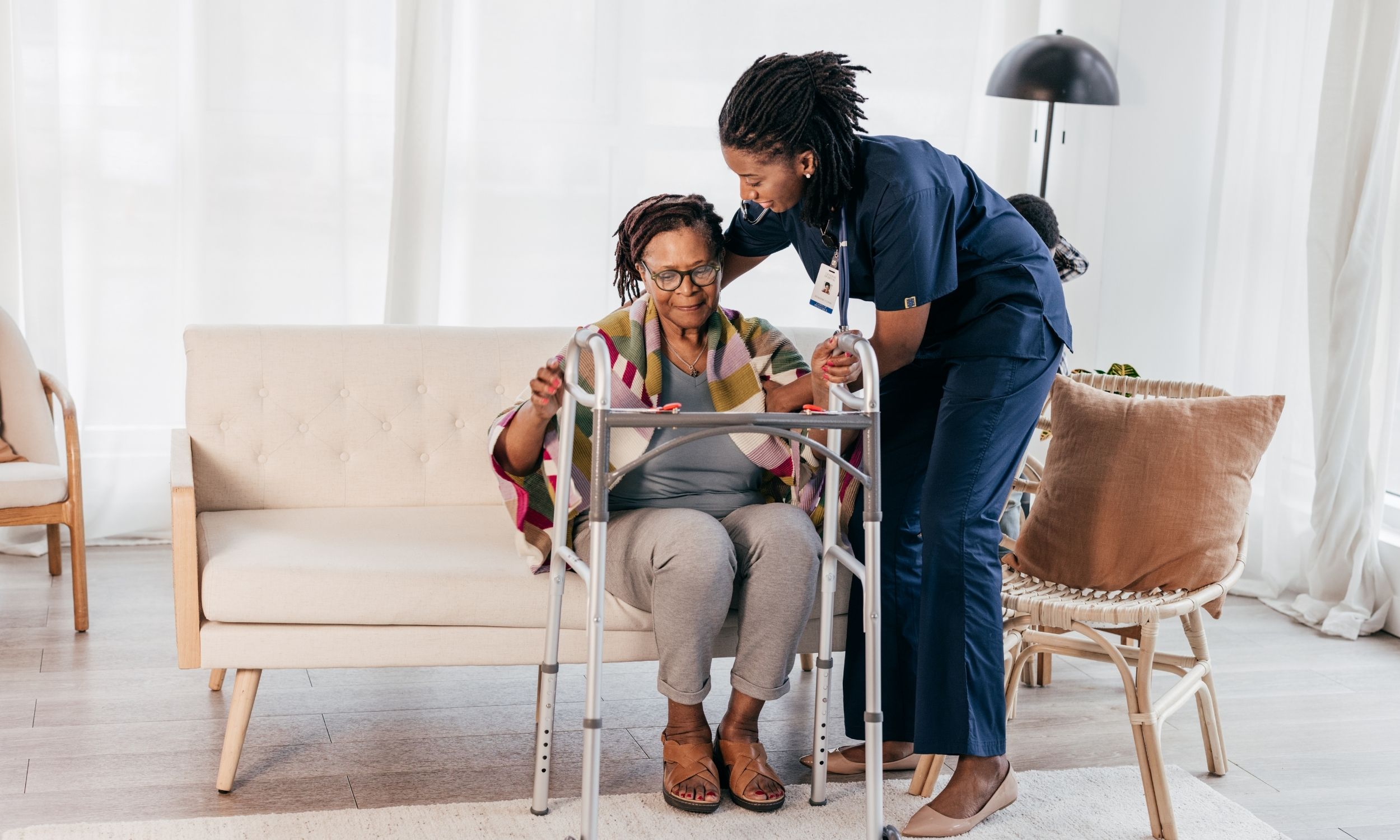
Home Health Therapy / Rehab: A Simple Guide for Seniors and Families
As we get older, there may be times when extra help is needed after an illness, injury, or surgery. Many seniors prefer to recover in the comfort of their own home rather than in a hospital or facility. Home health therapy and rehabilitation services are designed to support that goal—bringing professional care directly to you while helping you stay safe, independent, and comfortable.
Home health therapy includes services like physical therapy to improve strength and balance, occupational therapy to make daily tasks easier, speech therapy when needed, and skilled nursing care for certain medical needs. These services are usually recommended by a doctor and are often short-term, focused on helping you recover and get back to your normal routine as safely as possible.
One of the biggest benefits of home health therapy is being able to heal in a familiar environment. There’s no need to travel to appointments, and care is tailored to your specific needs and your home setting. Family members can also be more involved, which can bring added peace of mind. At the same time, it’s important to understand that home health services are not meant for long-term or 24-hour care and must meet certain medical guidelines to qualify.
Costs can vary depending on the type of care and how often services are needed. In many cases, Medicare and some private insurance plans may cover home health therapy if certain conditions are met, such as being homebound and needing skilled care. However, there may still be some out-of-pocket expenses for services that are not covered or go beyond approved limits.
Home health therapy can be used whether you live in your own home or within a senior community. While it is not typically included as part of a continuing care retirement community (CCRC) agreement, it often works alongside other services to provide additional support when needed.
